Maximizing throughput in liquid silicone rubber (LSR) manufacturing requires balancing material rheology, thermal dynamics, and mechanical handling speed. Operating a silicone injection molding machine efficiently involves reducing mold-open dwell time while accelerating vulcanization within active cavities. At HWAYI, we analyze these processing parameters to assist production engineers in optimizing cycle times without compromising part quality or dimensional accuracy.
Viscosity Behavior and Material Dosing Precision
Liquid silicone compounds exhibit non-Newtonian shear-thinning properties that alter flow behavior under high injection pressure. Metering pumps must deliver precise A/B component ratios continuously to prevent curing fluctuations during rapid cavity filling phases.
Deploying an advanced LSR molding machine allows operators to maintain constant material pressure, preventing flow hesitation. Dynamic pressure management shortens injection cycles while protecting delicate mold details from shear damage.
Thermal Uniformity and Mold Temperature Regulation
Rapid vulcanization relies on transferring thermal energy quickly into cold liquid silicone once injected into heated cavities. Temperature variations across platen surfaces cause uneven cross-linking rates, forcing operators to extend curing times.
Equipping a modern silicone injection molding machine with multi-zone heating controllers prevents localized cooling. Precise thermal regulation maintains steady vulcanization rates, allowing facilities to shorten holding times and increase daily output.
Tiebar-Less Frameworks and Loading Ergonomics
Unobstructed mold access drastically reduces manual handling delays during insert loading and component extraction. Heavy composite cores or hollow tubes require wide crane or forklift access to prevent positioning errors during high-volume shifts.
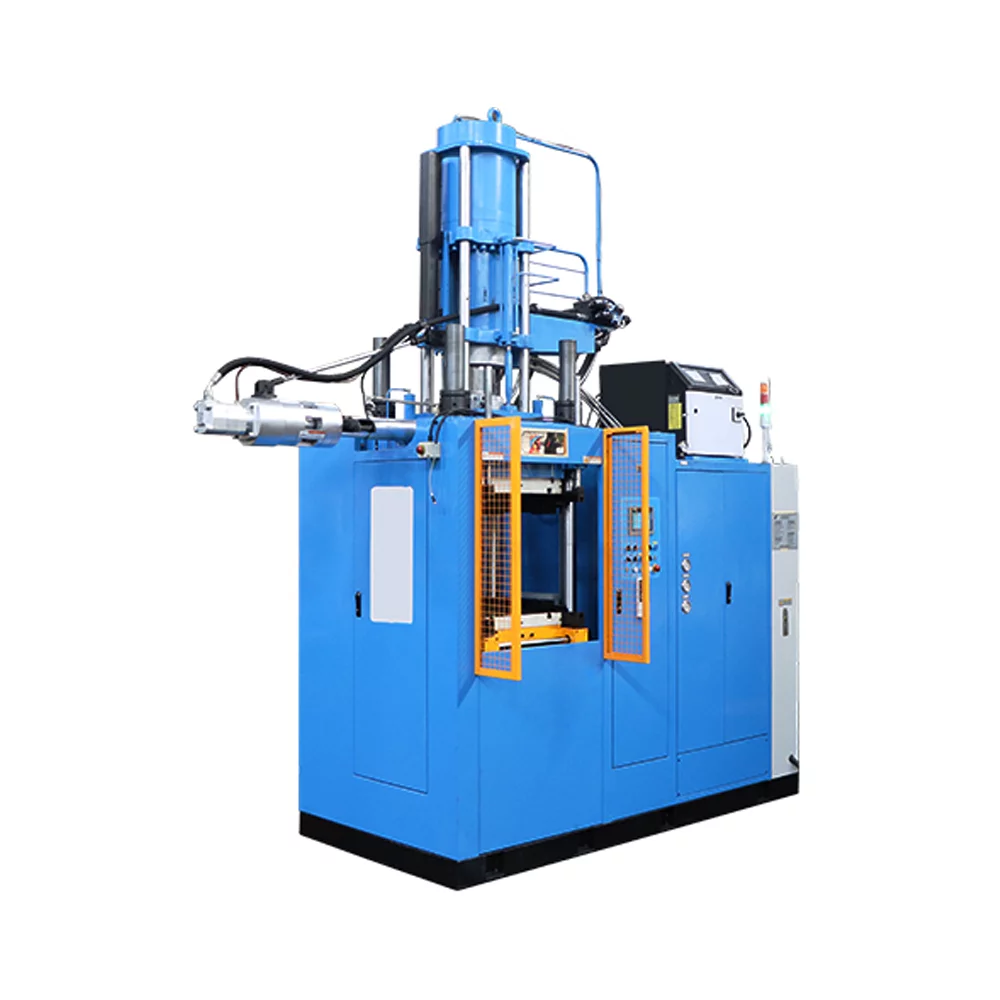
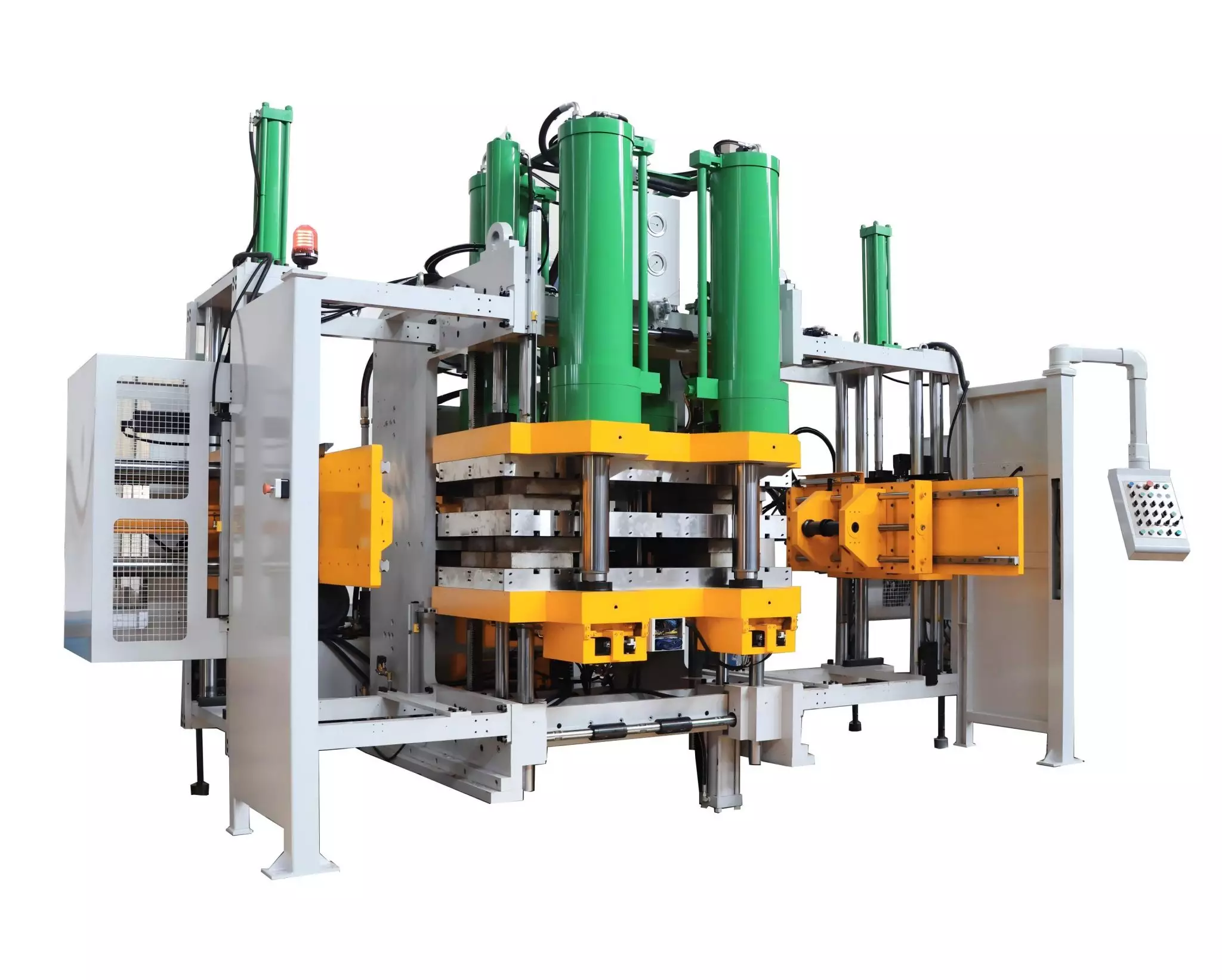
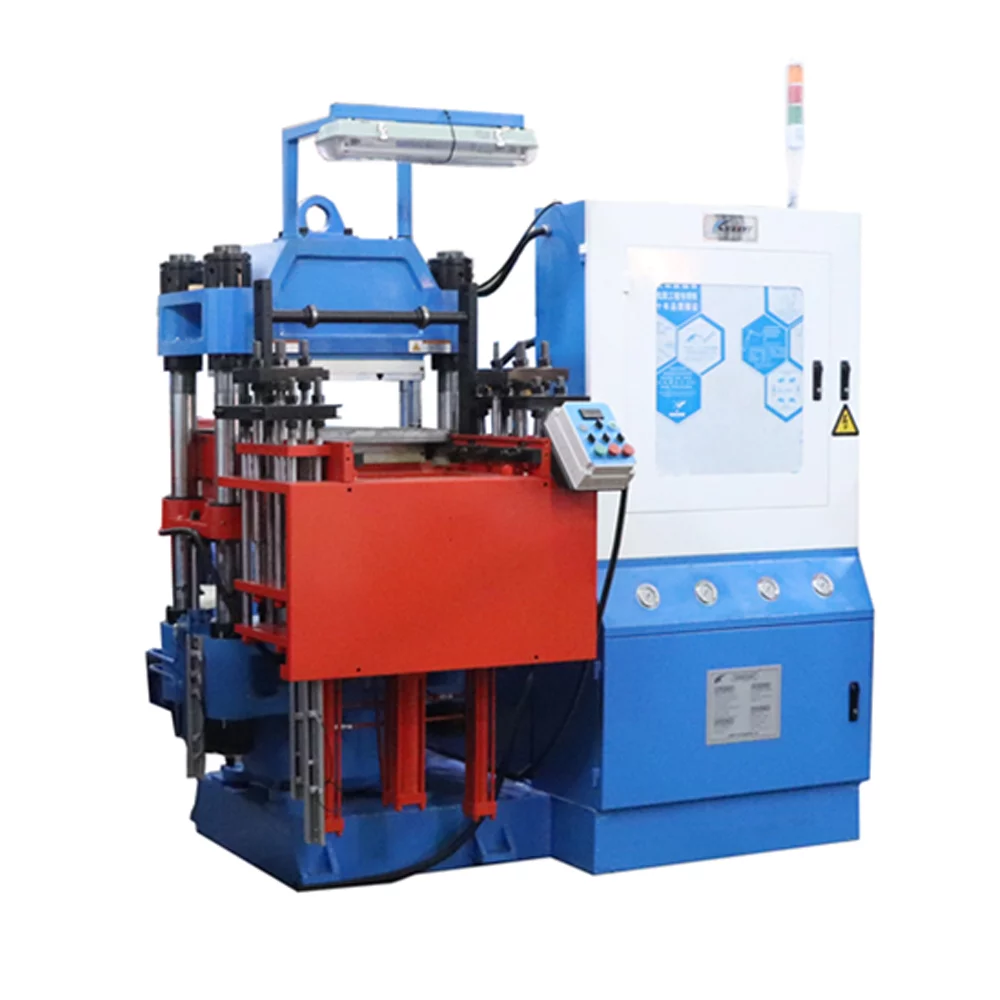
Featuring a tiebar-less structure with open upper space, our LSR Injection Molding Machine facilitates smooth mold loading by crane or forklift. This open architecture makes it flexible to load the FRP (Fiber Reinforced Plastic) Tube inside the mold using cranes and lifters, trimming valuable seconds off cycle resets.
Advanced Injection Controls and Multi-Stage Settings
Complex elastomeric parts with varying wall thicknesses demand multi-stage injection profiles to fill cavities without creating air traps. Adjusting speed and pressure across different filling phases prevents material scorch and flash formation.
Integrating closed-loop control injection into a silicone injection molding machine enables cooperation with multi-set molds using different phase pressure and speed settings. Dynamic profile switching yields consistent part density while keeping injection durations as brief as possible.
Integrated Turnkey Automation and System Synchronization
Synchronizing peripheral equipment with primary clamping units removes communication pauses between dosing, mixing, and injection phases. Automated material feeding prevents pressure drops inside the barrel during high-speed production cycles.
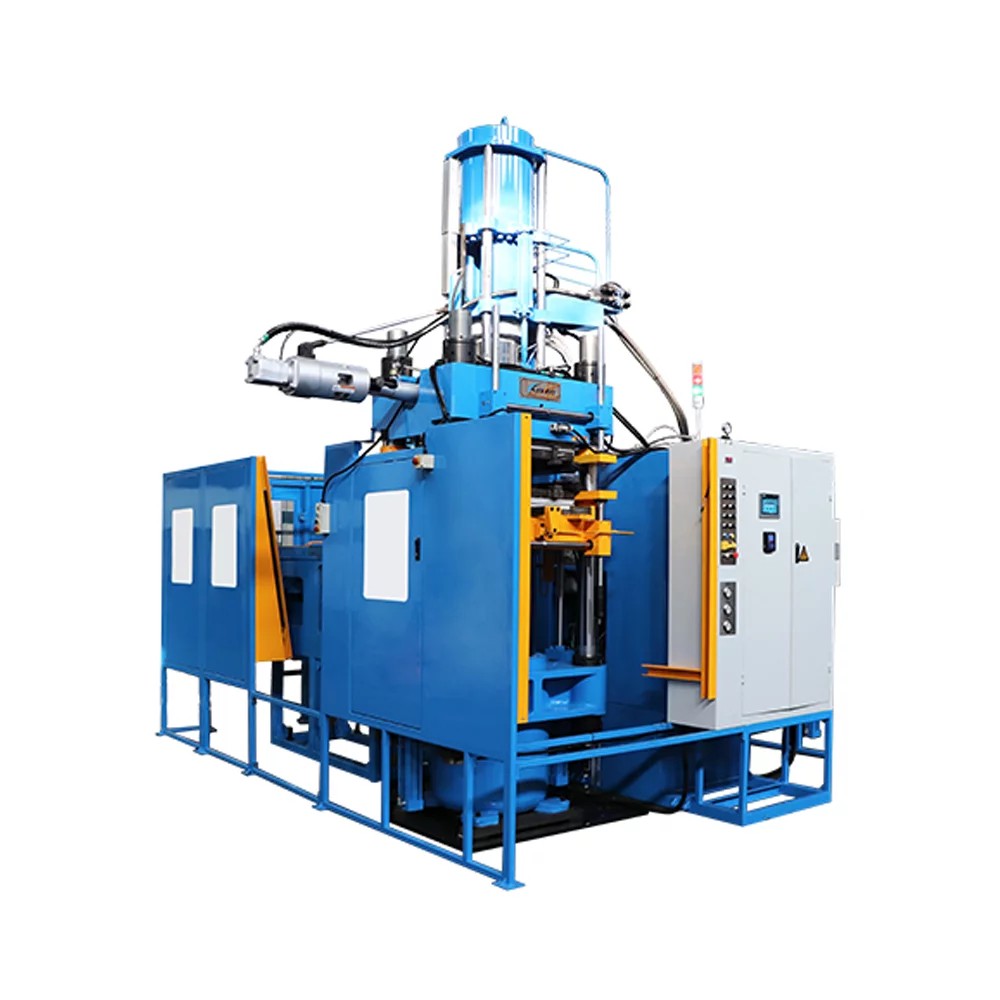
Operating an automated LSR molding machine as a turnkey project—combining clamping units, dosing pumps, and metering platforms—streamlines production workflows. Unified control interfaces optimize cycle timing across every connected subsystem.
This integrated approach reduces the compatibility issues that often arise when mixing components from different vendors, so that dosing accuracy, injection speed, and clamp movement operate from a single timing reference rather than relying on loosely coordinated independent controllers. As a result, production lines achieve faster startup sequences, fewer synchronization errors, and more consistent shot-to-shot repeatability—transforming what was once a collection of individual machines into a cohesive, high-efficiency manufacturing cell.
Structural Parallelism and Mold Protection
Maintaining platen alignment under continuous tonnage prevents parting-line flash and reduces mold cavity wear. Structural deflection during clamping forces operators to lower injection speeds, extending total cycle durations unnecessarily.
The guide rails along the base of the silicone injection molding machine allow the clamping platens to slide smoothly, contributing to safer operation. Robust design of the clamping unit and machine base delivers high stability and parallelism, keeping mold cavities aligned across thousands of continuous production hours.
Curing Kinetics and Vulcanization Acceleration
Platinum-catalyzed silicone reactions accelerate rapidly once compound temperatures cross activation thresholds. Balancing mold temperatures against injection velocities prevents premature gelation before the cavity fills in full.
Configuring a high-precision LSR molding machine with responsive heating platens accelerates heat transfer directly into active parting lines. Rapid thermal delivery minimizes dwell requirements, allowing the mold to open sooner.
This thermal responsiveness is especially critical for thin-walled or intricately detailed components, where even slight delays in heat transfer can result in partial cure boundaries and compromised mechanical performance. By optimizing the temperature profile to match the curing characteristics of the formulation, manufacturers can reduce cycle times without sacrificing cross-link integrity—delivering consistent part quality while improving overall throughput in high-volume production runs.
Maintenance Accessibility and Preventive Downtime Reduction
Equipment reliability directly influences overall operational efficiency across multi-shift liquid silicone processing operations. Easy access to hydraulic valves, pumps, and metering blocks shortens scheduled maintenance stops.
Our patented horizontal clamping design simplifies routine inspections and seal replacements. Minimizing maintenance complexity keeps production lines running consistently, increasing available production time each day.
Conclusion
Optimizing cycle efficiency in liquid silicone processing requires a comprehensive approach spanning material rheology, thermal management, closed-loop injection controls, and ergonomic machine architecture. At HWAYI, we remain dedicated to advancing high-precision machinery solutions and engineering support, helping industrial manufacturers maximize throughput while maintaining rigorous quality standards.