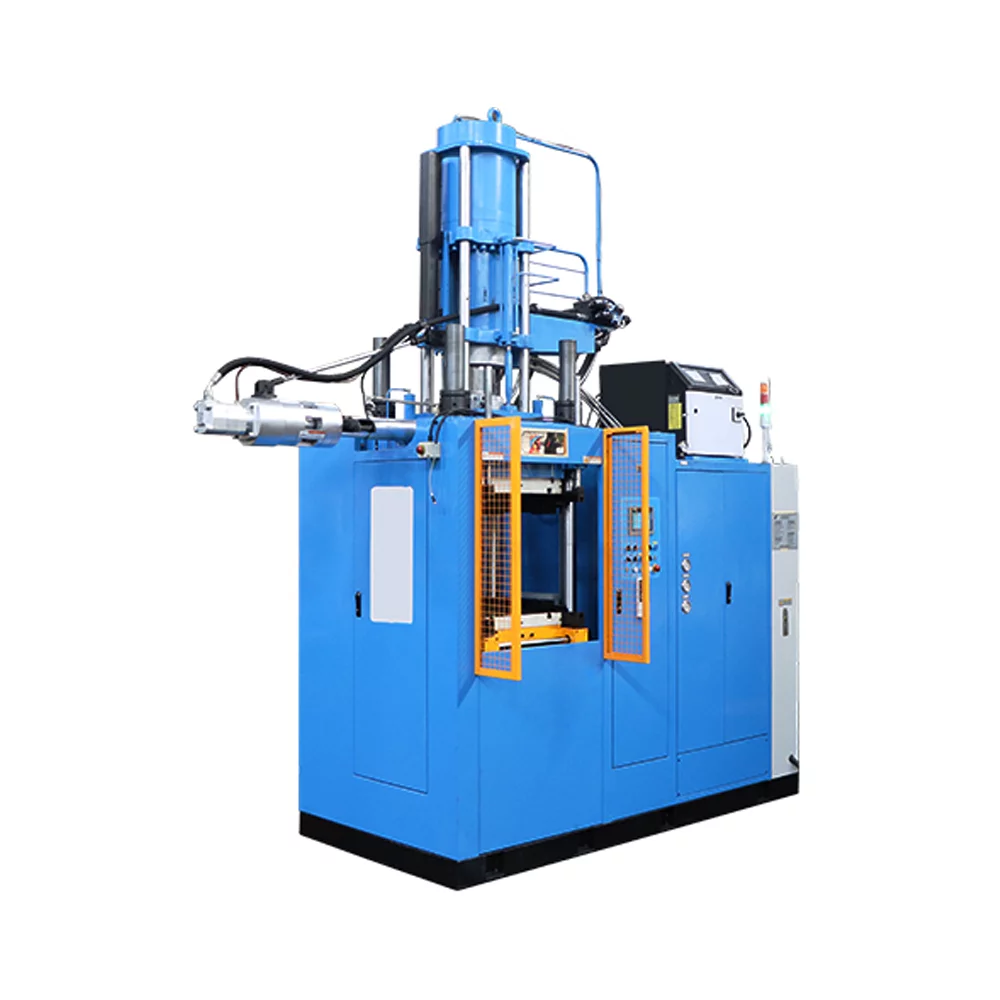
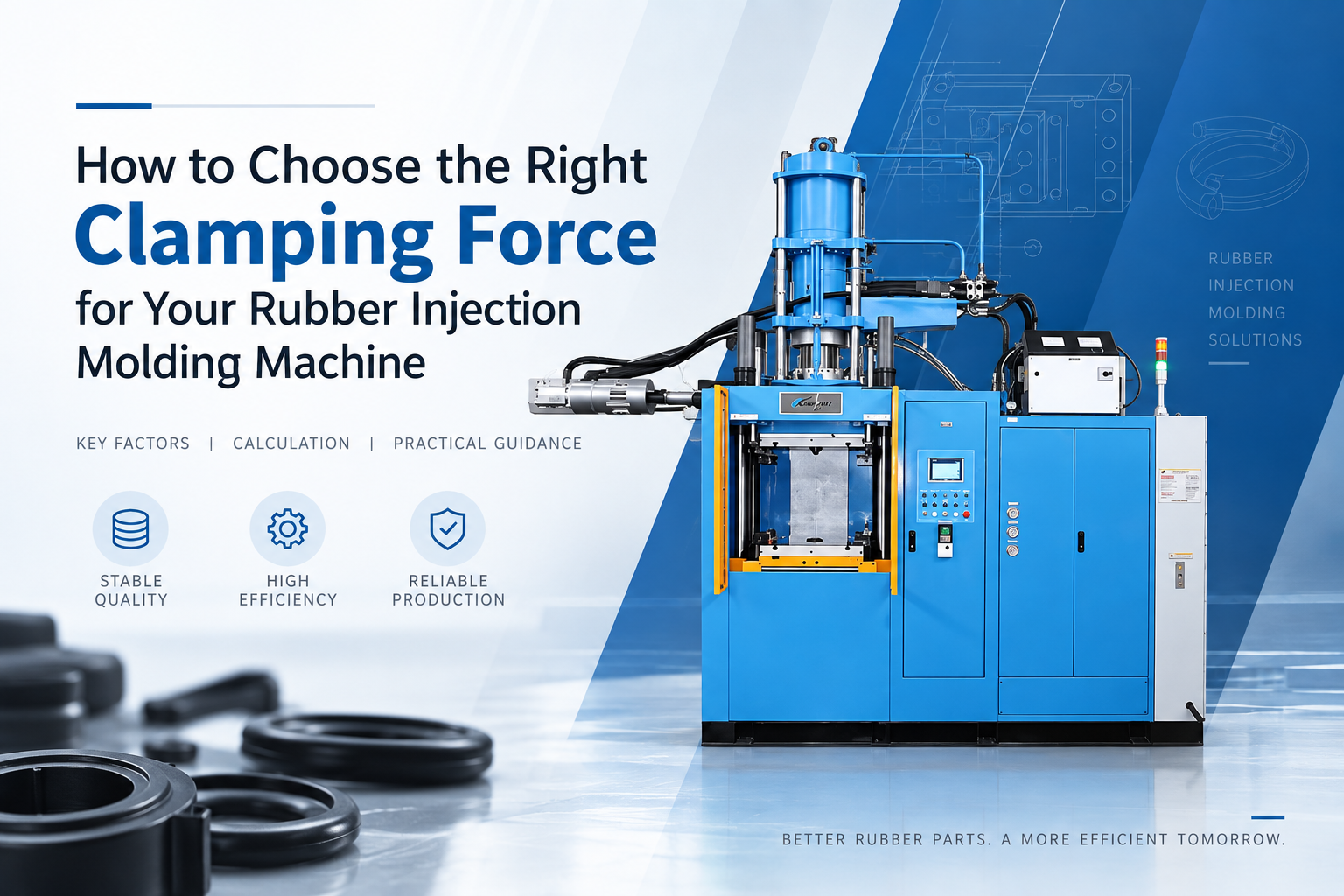
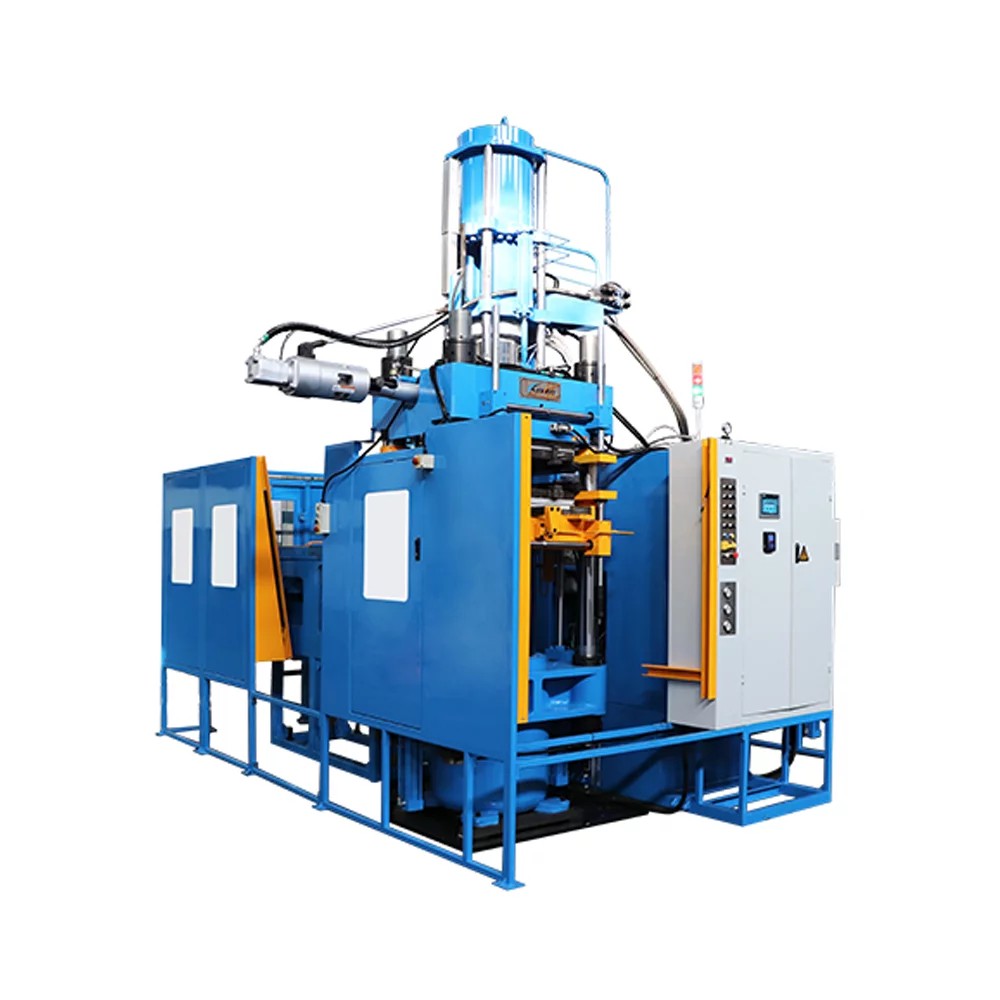
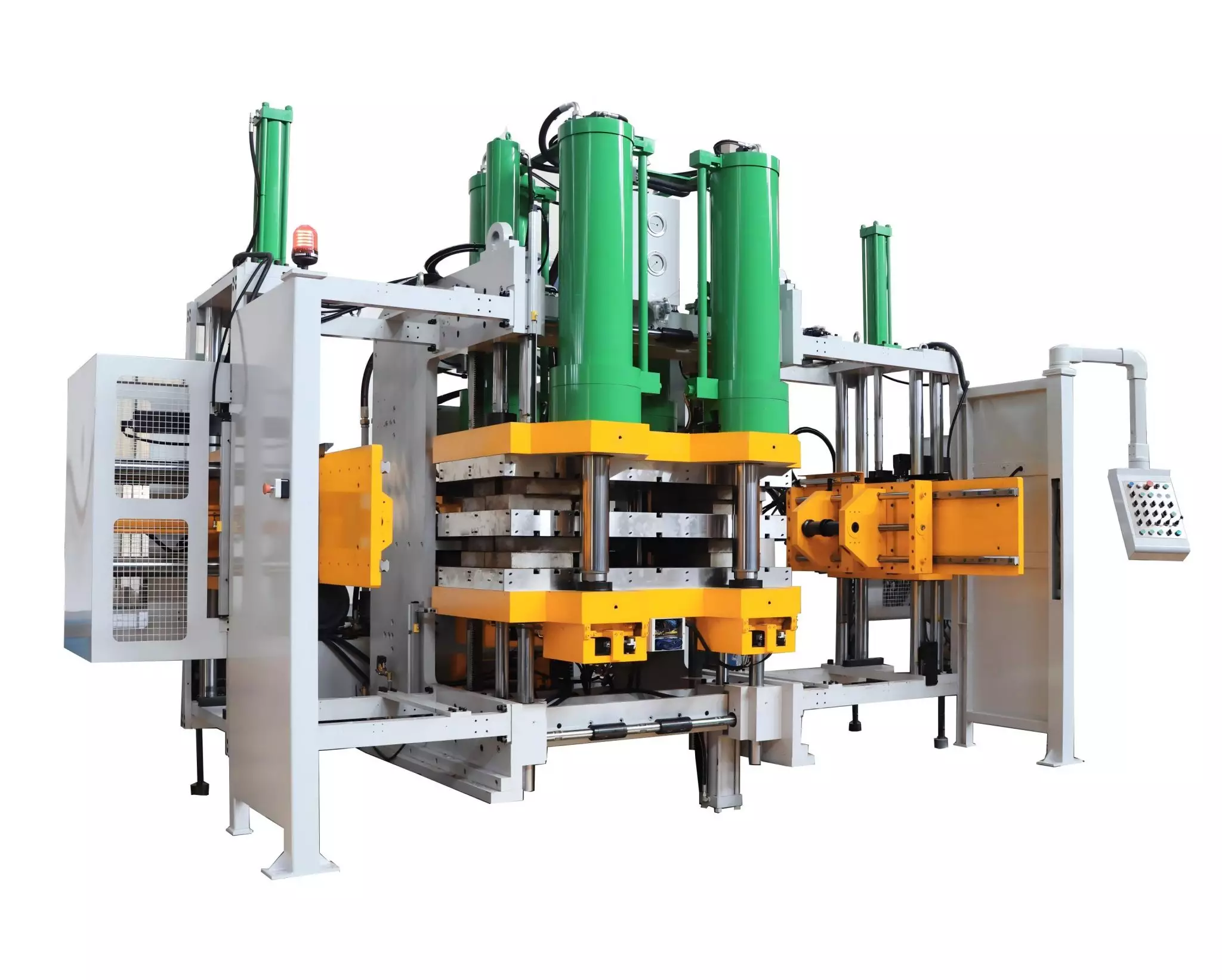
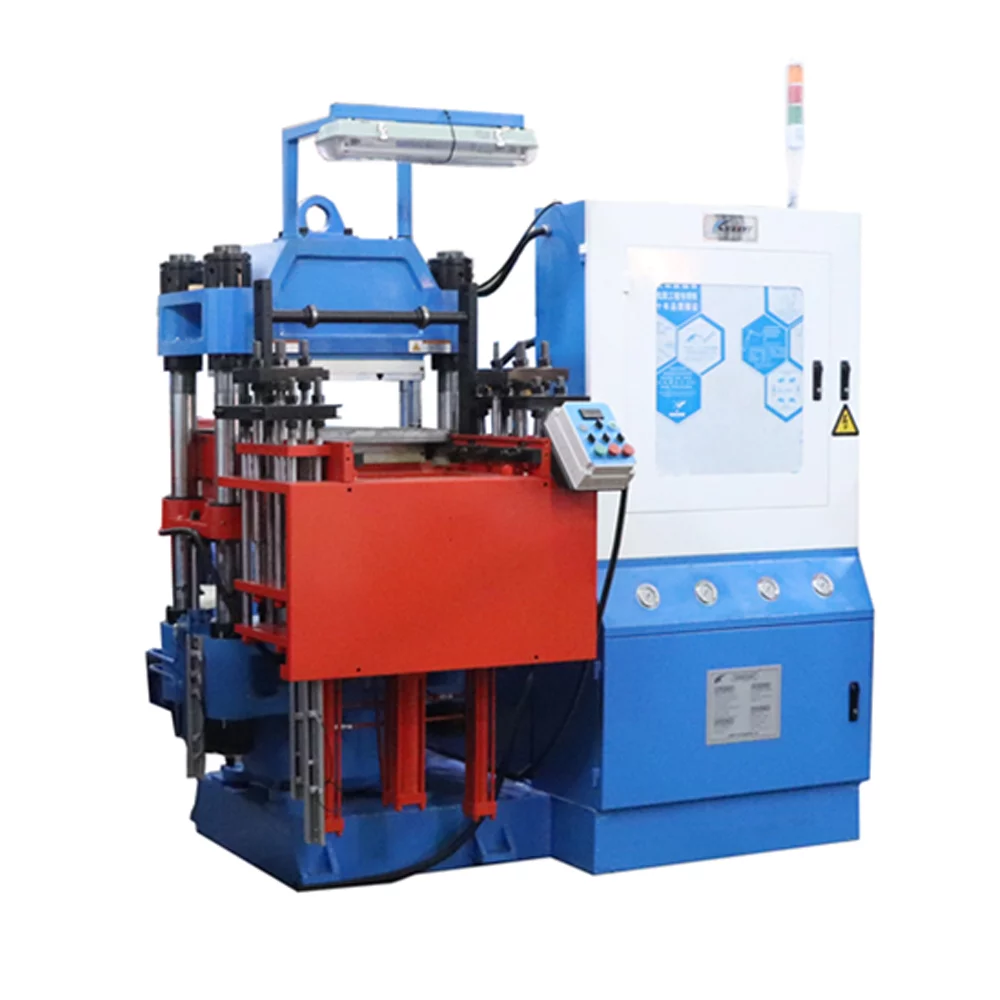
Achieving high mechanical shear strength within cured splice zones demands meticulous management of thermal energy across the vulcanization chamber. Utilizing an advanced rubber belt vulcanizing machine enables process engineers to regulate core temperatures precisely, reducing thermal degradation of inner textile plies and internal steel reinforcement. Our engineering group at HWAYI studies these complex thermal dynamics to refine industrial vulcanization procedures and enhance structural joint reliability.
Precise thermal transfer directly dictates the degree of molecular cross-linking achieved across the splice interface. Operating a heavy-duty Rubber Belt Track Vulcanizing Press with uniform heat management minimizes mechanical weak points, extending operational life in heavy material transport applications.
Chemical Kinetics of Sulfur Cross-Linking During Thermal Activation
Vulcanization uses heat to activate the curing system, promoting the formation of cross-links between polymer chains. Insufficient thermal input leaves unreacted curing agents within the matrix, drastically lowering tensile strength and dynamic fatigue performance.
Excessive heat exposure can cause thermal reversion and degradation of the cross-link network, reducing the mechanical properties of the cured rubber. Maintaining target vulcanization temperatures preserves cross-link density, keeping physical durability within optimal limits.
Heat Transfer Dynamics Across Multi-Ply Composite Structures
Thermal energy must migrate uniformly through thick cover rubber and internal reinforcement layers to reach deep splice joints. Temperature gradients between outer platen contact surfaces and core layers can cause uneven cross-linking across the joint profile.
Placing internal temperature sensors within test samples helps technicians map heat transfer rates through various compound thicknesses. Controlling ramp-up rates prevents surface over-curing while inner layers reach necessary activation temperatures.
Impact of Thermal Fluctuations on Interface Adhesion Strength
Temperature drops during active compression cycles disrupt polymer chain diffusion across the splice interface. Incomplete interdiffusion weakens interfacial bonding between unvulcanized splice compound and previously cured belt covers.
Continuous thermal monitoring prevents localized cooling caused by ambient air currents or cold mold inserts. Consistent platen temperatures allow elastomeric compounds to flow smoothly, reducing boundary layers and void formations.
Hydraulic Precision Controls for Multi-Stage Pressure Modulation
Maintaining steady mechanical pressure alongside thermal regulation ensures uniform material density across splice joints. Hydraulic pump flow can be precisely adjusted from 0% to 100% during multiple operating actions, providing accurate process control for the Rubber Belt Track Vulcanizing Press.
Dynamic hydraulic adjustments prevent compound displacement while rubber viscosity drops during initial heating phases. Regulating fluid delivery ensures steady clamping force throughout thermal ramp-up and holding cycles.
Synergistic Mechanical Alignment and Extended Component Longevity
Optimizing mechanical interaction between structural clamping modules and belt tensioning assemblies prevents localized stress concentrations. Optimized performance between the clamping unit and tensioning device improves belt track service life by up to 50%, enhancing the long‑term reliability of the rubber belt vulcanizing machine.
Balanced force distribution prevents edge distortion and core cable displacement during high-temperature compression phases. Preserving belt geometry under thermal stress prevents premature fatigue failure during continuous field operation. When clamping and tensioning systems operate in sync, the entire vulcanization cycle becomes more predictable—reducing the need for post-cure alignment corrections and ensuring that every belt leaves the press with consistent dimensional accuracy and internal cord tension.
Digital Process Control Systems and Real-Time Quality Tracking
Modern industrial presses rely on computerized control architectures to monitor thermal parameters, hydraulic pressure, and cycle durations. Equipped with an advanced B&R control system, the rubber belt vulcanizing machine features automatic data adjustment and storage functions. Production data can be monitored and tracked in real time to analyze process stability and continuously improve product quality.
Automated data logging records temperature variations across every heating zone throughout curing cycles. Storing historical production parameters enables quality control teams to correlate splice performance with specific thermal profiles.
Preventing Thermal Scorch in Viscous Elastomeric Formulations
Premature cross-linking, known as thermal scorch, occurs when rubber compounds experience excessive heat during initial flow stages. Scorch prevents complete mold cavity filling, creating internal voids and weak splice boundaries. Even localized scorch—confined to a small zone—can trigger crack initiation points that propagate under cyclic loading, eventually leading to premature field failure.
Regulating heating rates allows viscous rubber compounds to flow completely into splice steps before cross-linking accelerates. Gradual thermal ramp-up ensures full material consolidation across internal steel cords and fabric plies. Achieving this delicate balance requires precise platen temperature control matched to compound-specific curing characteristics, making thermal profiling an essential step for consistent, high-strength splice formation.
Post-Curing Thermal Management and Controlled Cooling Cycles
Rapid uncontrolled cooling following vulcanization induces severe thermal stress and dimensional distortion across cured joints. Controlled cooling protocols reduce internal stresses while rubber transitions from viscous liquids back into elastomeric solids.
Maintaining steady clamping pressure during cooling phases preserves dimensional accuracy and bond integrity. Engineering teams implement gradual thermal reduction to protect sensitive structural joints from micro-cracking and ply separation.
Conclusion
Maximizing elastomeric joint strength requires rigorous control over cross-linking kinetics, thermal uniformity, and hydraulic pressure dynamics. Through our work at HWAYI, we remain committed to delivering technical insights and high-precision processing systems that help industrial operators achieve superior joint integrity and extended operational reliability.