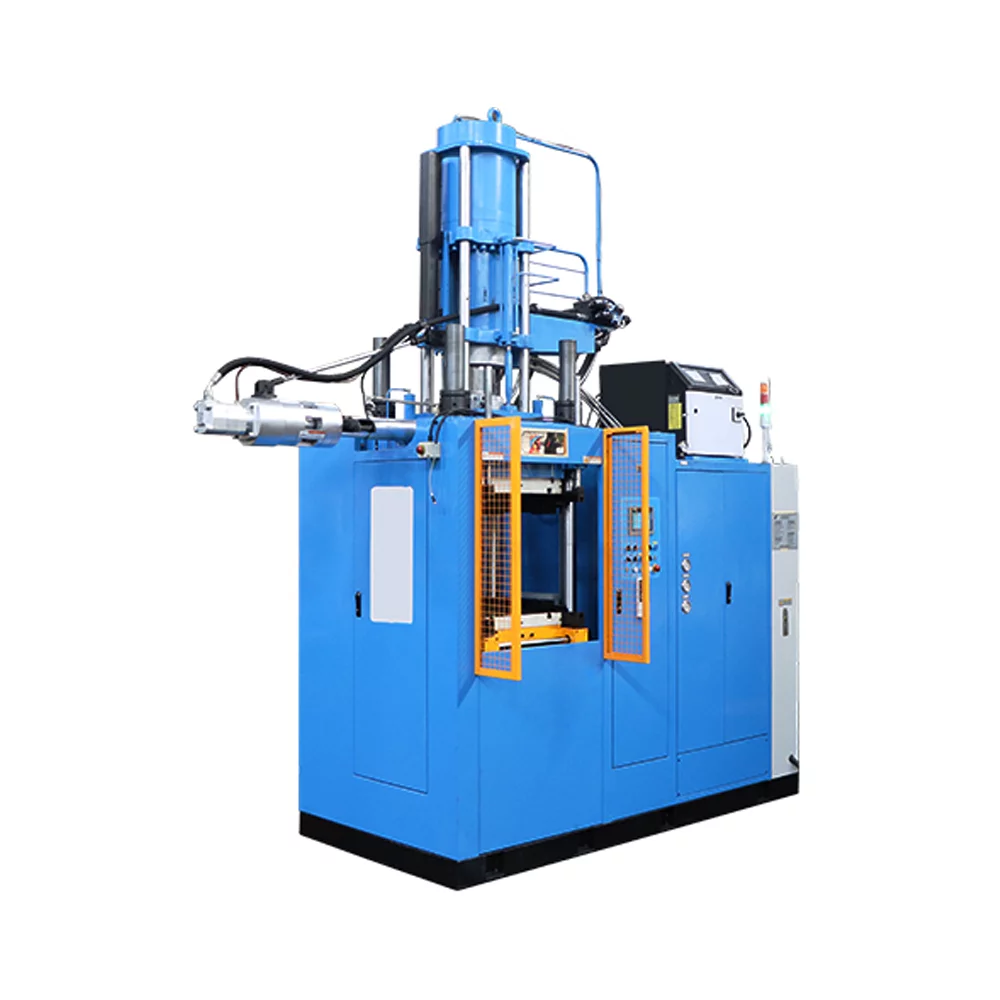
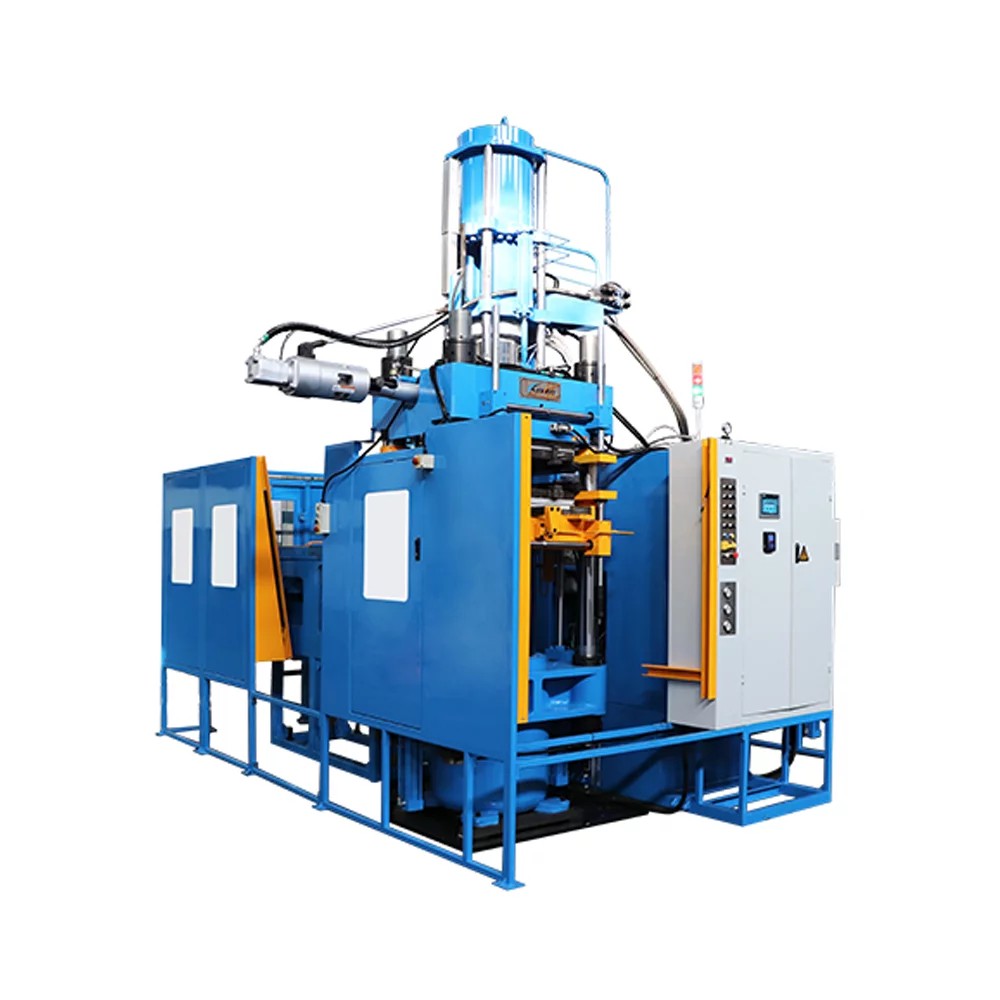
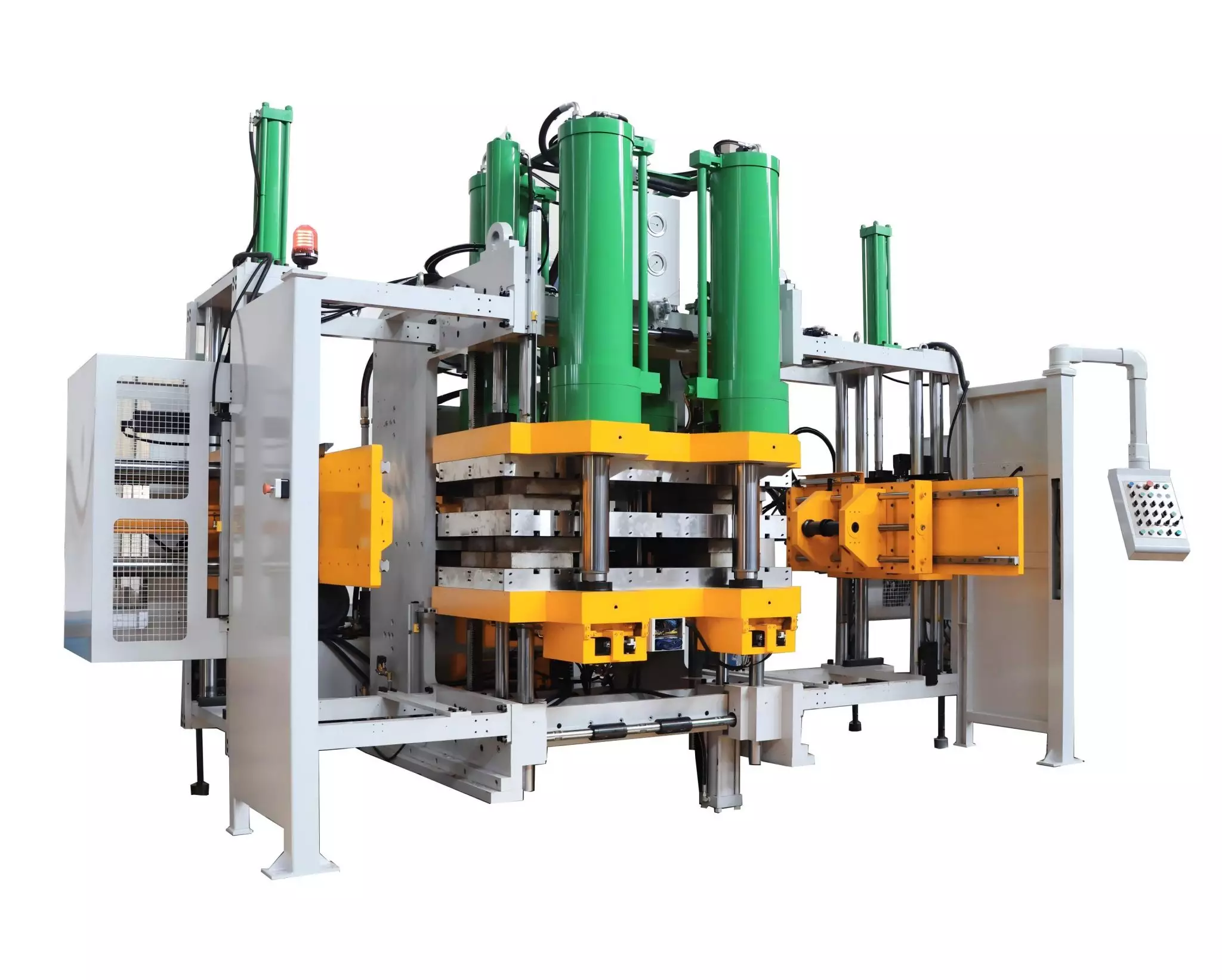
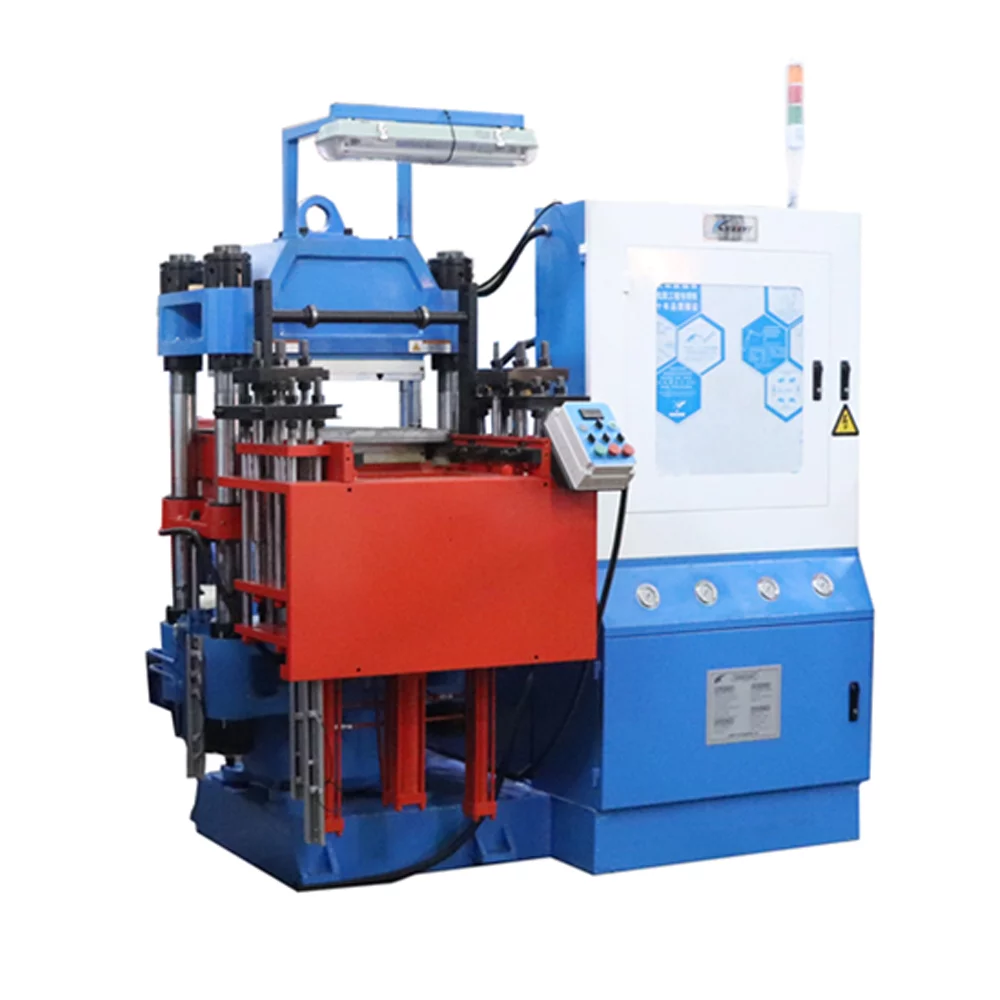
Establishing a fully functional elastomeric belt molding line involves far more than simply positioning primary hydraulic presses on the plant floor. Setting up a high-tonnage rubber belt vulcanizing machine demands a specialized array of auxiliary tooling, calibration instruments, and material-handling devices to achieve dimensional accuracy. Our team at HWAYI works closely with facility managers to identify the necessary technical infrastructure required for effective implementation and long-term stability.
Industrial installations rely on specialized rigging systems, precision thermal sensors, and dedicated hydraulic commissioning rigs to prepare vulcanization units for continuous production. Industrial procurement managers frequently partner with an experienced rubber track vulcanizing press wholesalers network to source compatible auxiliary hardware, ensuring that every subsystem complies with factory safety protocols and mechanical tolerances.
Foundation Anchoring and Heavy Rigging Tooling
Setting up heavy vulcanization equipment requires heavy-duty floor anchoring hardware, precision leveling shims, and high-capacity hydraulic jacks. Proper foundation preparation prevents structural frame distortion during multi-ton clamping cycles, protecting expensive platen surfaces from uneven mechanical stress.
Industrial rigging crews utilize laser alignment levels and calibrated torque wrenches to secure foundation bolts according to strict engineering specifications. Maintaining a properly leveled base prevents uneven hydraulic wear and minimizes lateral forces on main tie-bars during high-pressure cycles.
Precision Hydraulic Power Pack Commissioning Instruments
Initializing high-pressure hydraulic circuits requires specialized fluid testing kits, digital pressure gauges, and fluid filtration units. Technicians must flush lines and verify oil cleanliness levels before pressurizing system manifolds to prevent valve contamination.
Integrated hydraulic systems adjust motor output dynamically throughout the curing cycle to conserve electrical power while maintaining constant holding force. Utilizing digital flow meters during setup allows engineers to verify that fluid pressure remains stable during extended compression phases.
High-Precision Thermal Mapping and Temperature Calibration Devices
For rubber track vulcanizing press wholesalers, verifying thermal uniformity across large heating platens is a key quality check—one that typically requires multi‑point thermocouple sensors, infrared thermal imagers, and digital data loggers. Mapping temperature gradients allows technical teams to fine‑tune individual heating zones, ensuring strict thermal uniformity—a key factor in delivering reliable, high‑performance presses that meet the rigorous curing requirements of their customers.
Inconsistent heat distribution across platens leads to incomplete cross-linking in thick elastomeric formulations. Calibrated thermal probes enable precise monitoring of heating element responsiveness, ensuring that mold cavities reach target vulcanization temperatures without thermal overshoot.
Automated Steel Belt Tensioning and Material Feed Systems
Processing continuous composite tracks relies on specialized tensioning winches, automatic loaders, and guided alignment fixtures. Automated material feeding modules streamline raw compound placement, reducing manual handling and cycle delay during continuous operation.
To streamline complex installations, our specialized Rubber Track Belt Vulcanizing Press Machine incorporates automatic steel belt tensioning hardware alongside automated rubber compound loading systems. Automated tensioning controls preserve internal core alignment, preventing structural warping during high-pressure molding cycles.
Space-Optimized Clamping Assembly and Installation Tooling
Fitting heavy industrial presses into facilities with limited overhead clearance requires specialized low-profile hoisting gear and modular assembly tools. Fast-clamping mechanisms featuring telescopic frame designs allow installation crews to reduce total overhead height requirements significantly.
This unique telescopic structure simplifies physical assembly and routine maintenance access within compact factory footprints. Field technicians utilize specialized hydraulic torque tools and alignment guides to assemble these clamping frameworks safely without requiring excessive crane clearance.
Semi-Automated Offloading Equipment and Extraction Mechanics
Removing heavy vulcanized rubber tracks from open molds demands robust mechanical assistance to prevent operator injury and component damage. Semi-automated track take-off systems combine pneumatic lifters, mechanical guide rollers, and overhead rail hoists to facilitate smooth part extraction.
Custom extraction tooling protects cured rubber profiles from tearing while hot. System operators use specialized mechanical grippers and guided gantry cranes to lift finished track segments smoothly off the lower platen surface, accelerating cycle transitions.
Calibration Tools for Integrated Electrical and Servo Systems
Connecting main power distribution cabinets involves using digital multimeters, insulation resistance testers, and phase-rotation meters. Electronic control panels must undergo thorough signal testing to verify that safety interlocks and sensor feedback loops function correctly.
Servo-driven pump controllers require precise parameter tuning using diagnostic software interfaces to optimize energy consumption during idling phases. Calibrating sensor response times allows automated safety mechanisms respond instantly to unexpected operational variations. Regular calibration logs also provide valuable trend data, allowing engineers to detect early drift in sensor accuracy before it affects production quality.
Quality Inspection and Dimensional Verification Instruments
Final commissioning steps involve measuring finished belt samples using ultrasonic thickness gauges, laser line scanners, and durometer hardness testers. These analytical instruments confirm that mold pressure and thermal exposure meet target engineering specifications.
Evaluating rubber density and internal core alignment across sample runs confirms that mechanical setup parameters are fully optimized. Engineering teams document these baseline metrics to establish standardized quality control limits for future production shifts.
Conclusion
Successfully installing heavy belt vulcanization systems requires a comprehensive combination of mechanical rigging, thermal calibration tools, and precision electrical diagnostics. Through our work at HWAYI, we strive to provide robust engineering solutions and comprehensive technical support, helping manufacturing facilities establish efficient, compliant, and highly reliable elastomeric production lines.