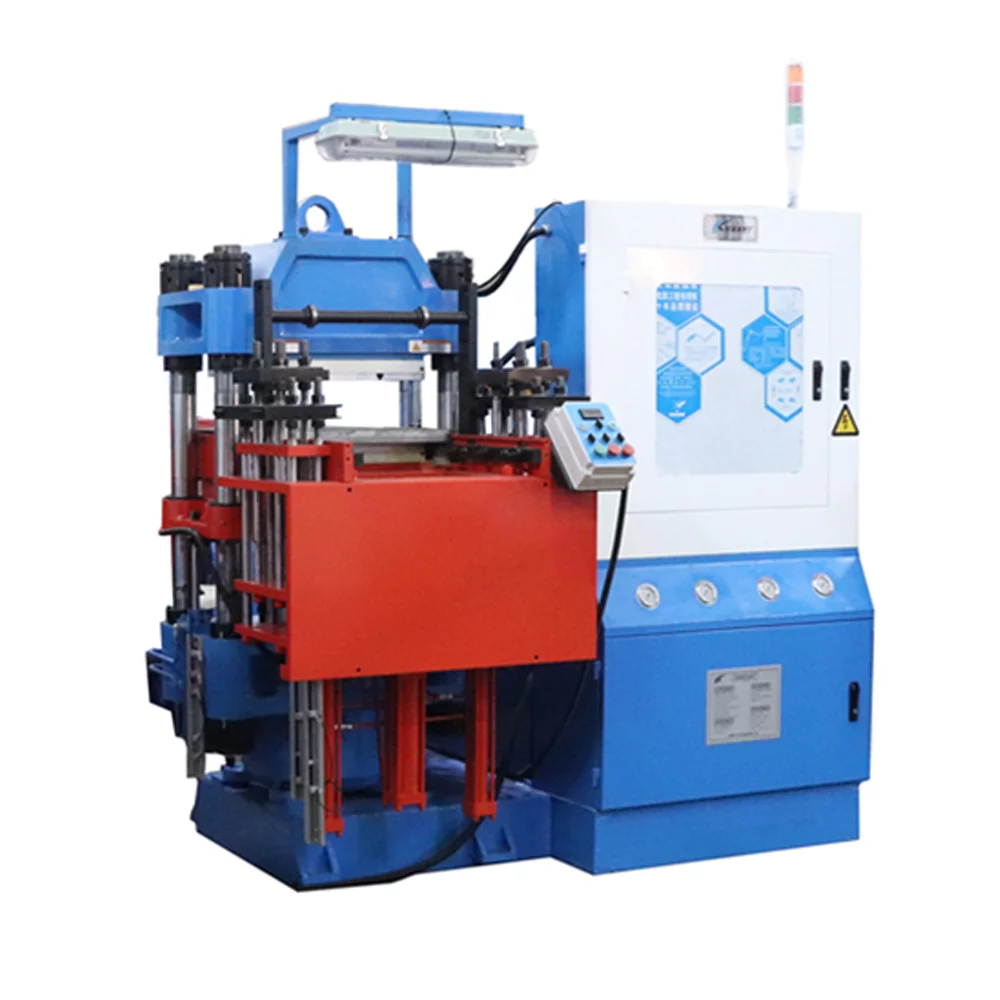
When selecting vulcanizing equipment, belt width is one of the first dimensions we recommend checking. The available working area needs to match the product being processed, while the platen, mould and clamping system must work together during vulcanization. For manufacturers comparing equipment, understanding width compatibility can help narrow down suitable machine configurations before discussing other technical requirements.
How Does Belt Width Affect a Rubber Belt Vulcanizing Machine?
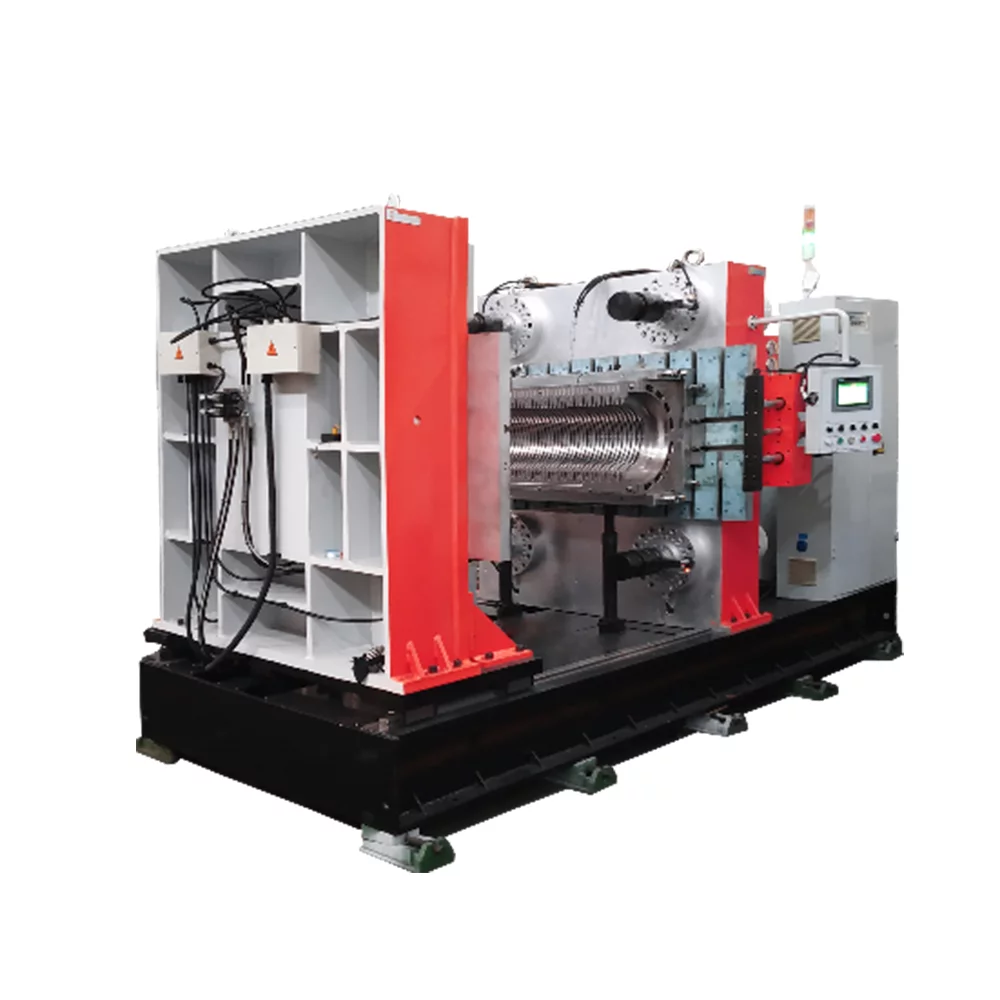
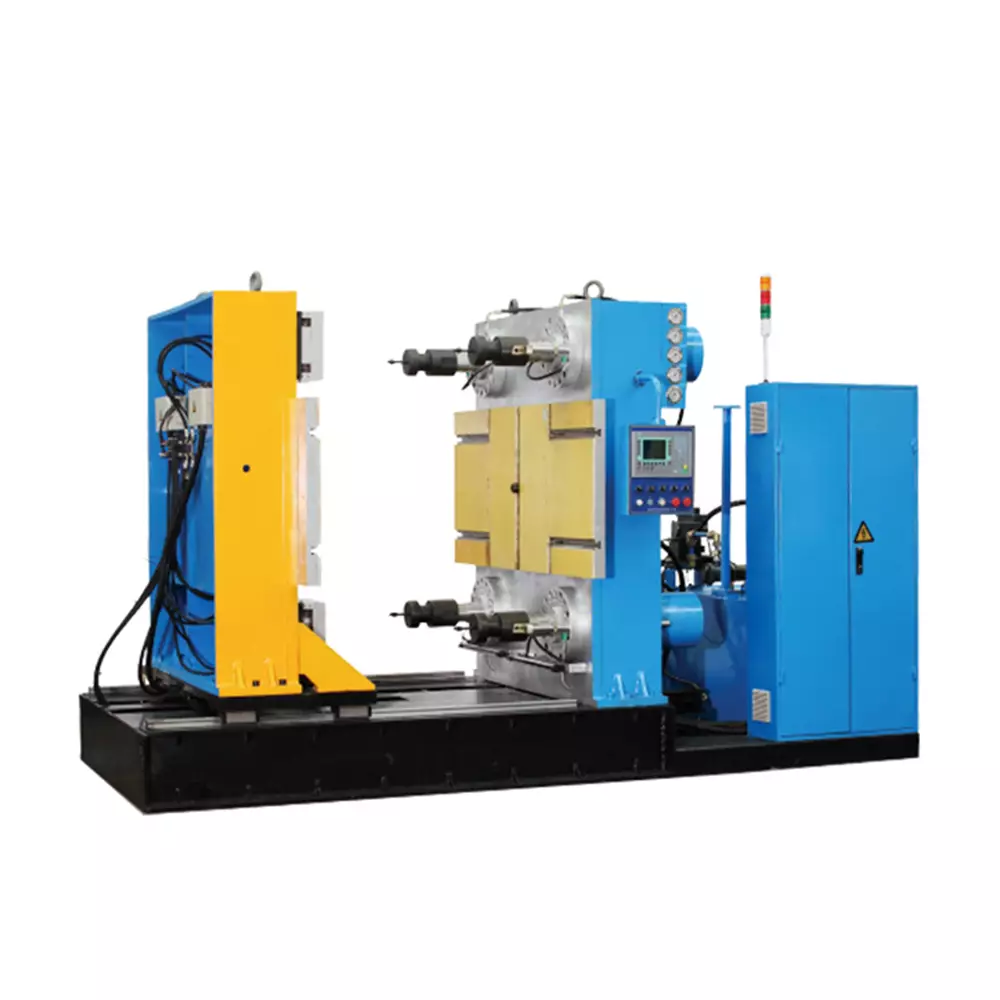
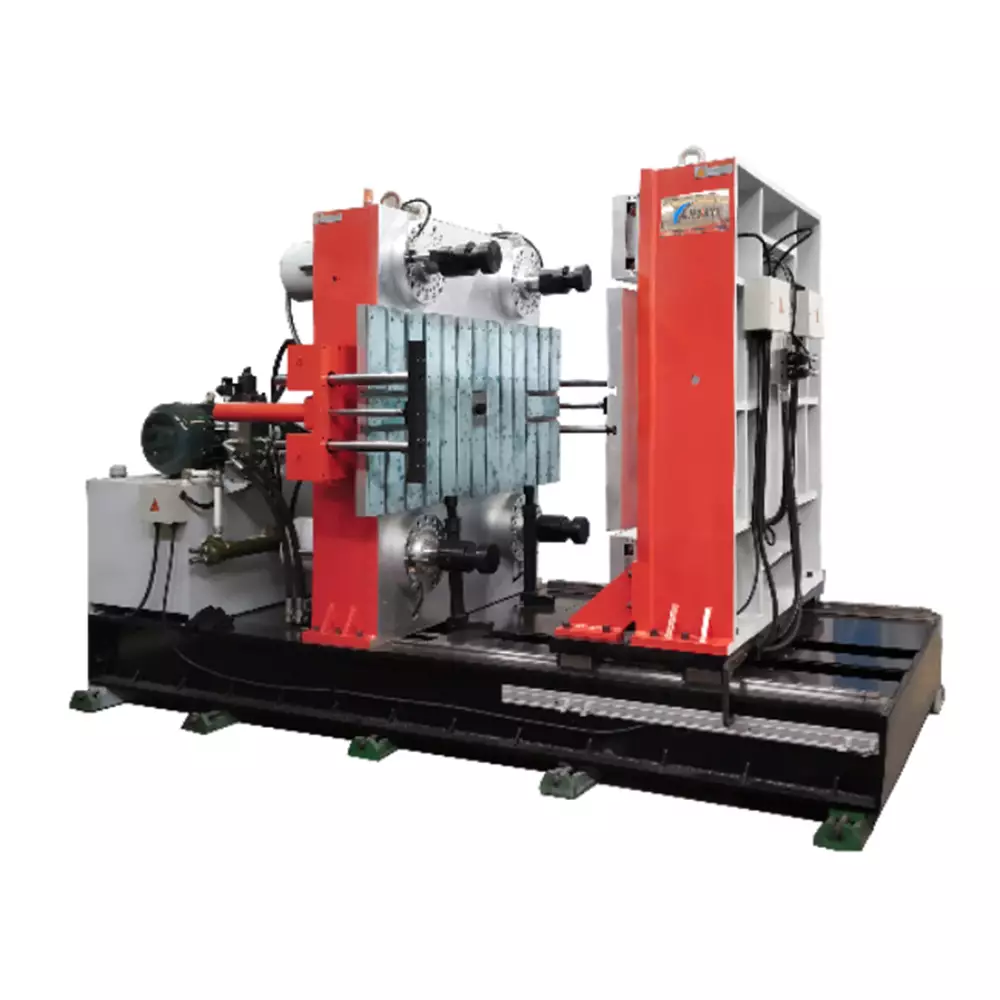
The working width of a vulcanizing press determines how much product can be accommodated during processing. If the belt or track is wider than the available working area, the machine may not suit the intended application. Width should therefore be considered together with mould dimensions and the structure of the product.
For a rubber belt vulcanizing machine, we recommend starting with the actual dimensions of the rubber product. A production team should identify the required width range, mould size and curing arrangement before selecting a machine model.
This approach is particularly relevant when one production line needs to handle several product sizes. Instead of looking at a single nominal belt width, buyers can compare the complete range of dimensions that the equipment is designed to accommodate.
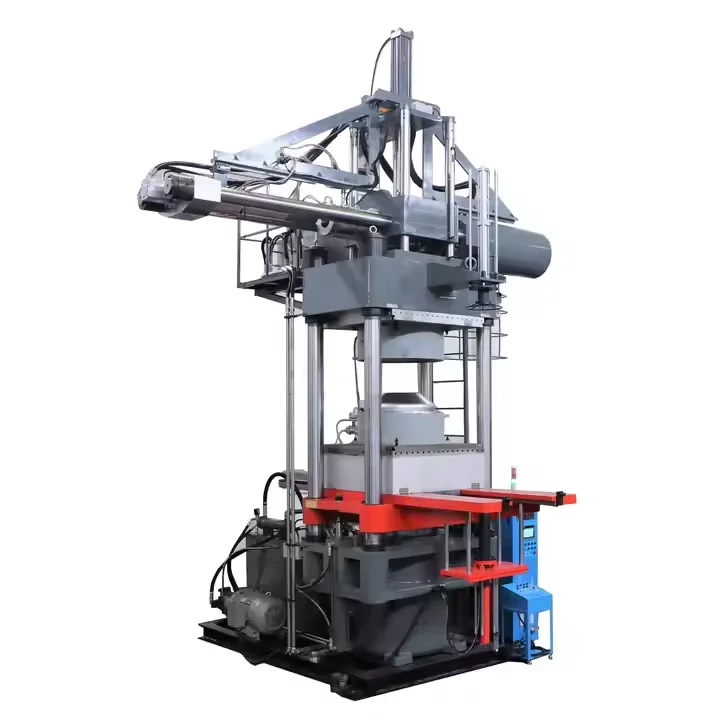
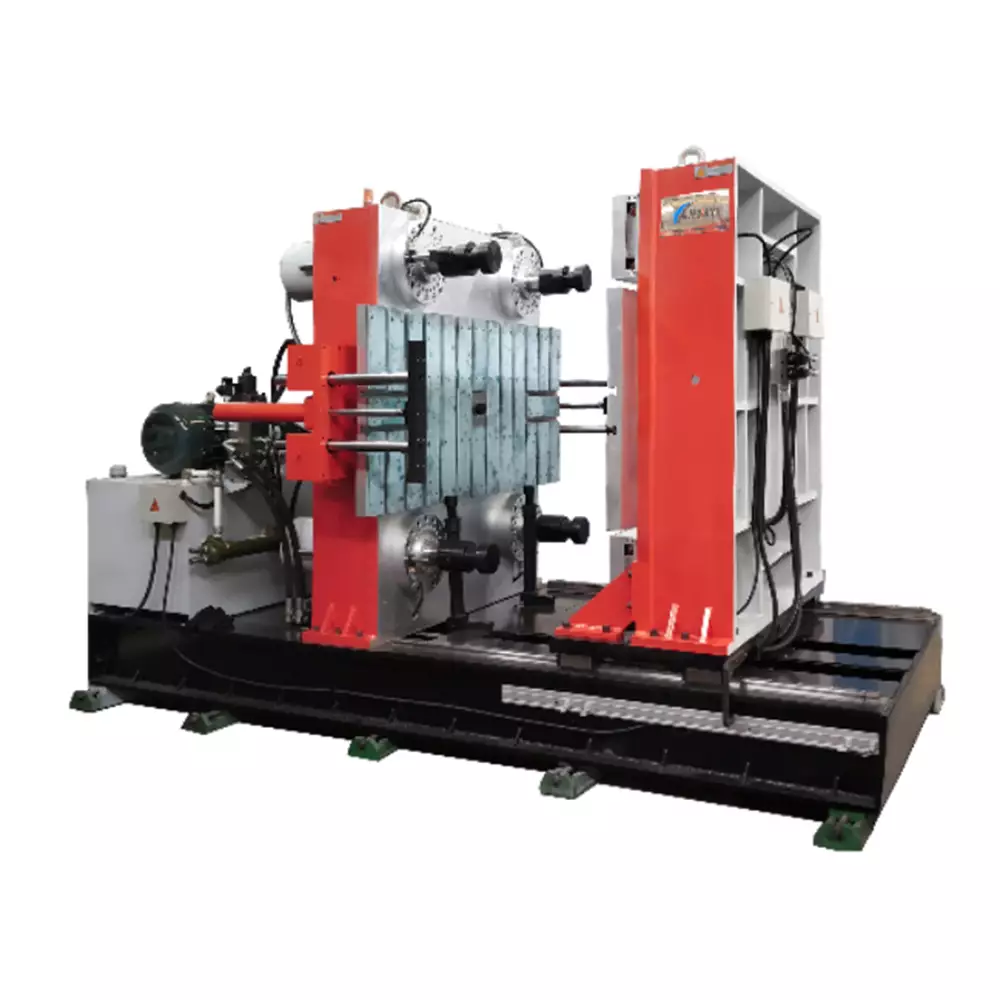
Our Rubber Track Belt Vulcanizing Press is intended for rubber track production. According to our official product information, the automatic production system can include an iron core winding machine, rubber track preforming machine, vulcanizing press and automatic trolley car. The system is used for winding-type rubber tracks for agricultural, construction, snowmobile and military vehicles.
What Width Should a Portable Belt Vulcanizer Support?
A portable belt vulcanizer is generally considered in connection with field repair and conveyor belt splicing. In these situations, the pressing width needs to correspond to the width of the conveyor belt being repaired. The maintenance team also needs to consider the joint design and the available working conditions at the site.
For field applications, belt width should not be treated as the only selection factor. Heating area, pressure distribution, belt construction and the dimensions of the splice can also affect the equipment arrangement. These considerations help maintenance teams determine whether a particular configuration is suitable for their operating conditions.
The required width can vary considerably between applications. A narrow belt used in a particular material-handling system may have different requirements from a wide belt used in mining or bulk-material operations. This is why we suggest confirming the actual belt dimensions before equipment selection.
At HWAYI, we approach width selection from the product and process requirements rather than from a general equipment label. Our wider product range includes rubber injection Molding machines, rubber vulcanizing machines, rubber track Molding machines, LSR Molding machines and customer-built machines.
Why Should Buyers Compare Width With the Complete Machine Configuration?
Width provides an important starting point, but it does not provide the full picture. A machine also needs to provide an appropriate platen area, mould space and clamping arrangement for the intended process. These factors determine whether the equipment can be integrated into a practical production setup.
For rubber track manufacturers, this is particularly important because the product has a specific structure and production process. Our Rubber Track Belt Vulcanizing Press is part of a wider production arrangement rather than simply a standalone heating device. The production line can combine forming, vulcanization and material handling equipment according to the application.
For conveyor belt maintenance, the situation is different. A portable belt vulcanizer needs to support the dimensions of the belt joint while also being suitable for transportation and on-site operation. The equipment selection therefore needs to reflect both the belt dimensions and the working environment.
This distinction matters when buyers compare different equipment categories. A machine designed around rubber track production should not automatically be treated as equivalent to a field-service vulcanizer. The correct choice depends on whether the application involves manufacturing, repair, or another rubber-processing requirement.
How Do We Help Match Equipment to Belt Dimensions?
We normally begin by reviewing the customer’s product dimensions and production process. Belt width, product structure, mould requirements and expected production conditions provide a practical basis for discussing the machine configuration.
Our engineering approach also considers how the vulcanization process is controlled. Heat and pressure need to be applied across the relevant working area, and the equipment configuration should support the intended mould and product dimensions.
When customers discuss rubber track production with us, we can assess the required dimensions against the available machine configuration. When the application involves conveyor belt repair, we can instead focus on the requirements associated with the belt and splice.
HWAYI has more than 25 years of experience in rubber machinery and provides equipment for different rubber-processing applications. Our product range covers injection Molding, vulcanization, rubber track Molding, LSR processing and customer-built machinery.
The second appearance of rubber belt vulcanizing machine should therefore be considered in the context of the complete application, rather than width alone. Similarly, the second appearance of portable belt vulcanizer highlights a different equipment requirement: field repair and mobility.
For buyers, the practical starting point is to confirm the actual belt or track width, then review the working dimensions, mould requirements and processing method. This gives the engineering and purchasing teams a clearer basis for discussing equipment compatibility with us.